
The Easy Way to Tackle Closet Organizing in Riverdale
Organized closet with woven storage bins, hanging clothes, and a vanity mirror by Imagine Organizing
Somewhere between “I’ll deal with it this weekend” and actually dealing with it, most closets in Riverdale quietly cross a line — from a little messy to genuinely stressful to open. If yours has crossed that line, take it as useful information, not a failure. It just means the system your closet is running on has stopped matching what you actually need from it.
And that’s fixable, usually faster than people expect. We spend our days rebuilding closets exactly like this across Riverdale, and the pattern holds every time: the “after” always feels bigger than the physical work involved would suggest.
Why Riverdale Closets End Up Like This
A historically working- and middle-class, majority-Black city, part of the broader Clayton County community whose economy is closely tied to the airport and its surrounding logistics/hospitality sector. The traditional single-family homes built here in the 1970s–90s tend to need the same three rooms tackled first: the garage, the kids’ closets, and the kitchen — and we keep pricing accessible to match.

We know Riverdale — Established 1970s–90s subdivisions, Historic Old Riverdale, Newer townhome and infill development, and the pockets in between. You’ll see it around Riverdale Road commercial corridor. Whether you’re off I-75 or on the other side of town, we come to you. And honestly, the closet problem looks a little different in every one of those pockets depending on which one you’re in. Because so many households run on rotating airport, logistics, or hospital shifts, concierge support that flexes around an odd schedule lands better here than a rigid 9-to-5 offer.
Ask a Riverdale homeowner what they want from a service call and the answer is almost always the same: show up when you say you will, quote a fair number, and don’t pad the invoice. Because so many households here work shift schedules tied to the airport, a provider who can flex around odd hours earns loyalty fast.
Three Things We See Over and Over in Riverdale Closets
- The “someday” pile takes over. Clothes you’re keeping for a future version of yourself, gifts you never wore, that one formal outfit from an event three years ago — it all quietly eats the real estate the stuff you actually wear needs.
- Everything’s at the same “priority level.” When the shirt you wear every week is stored the exact same way as the sweater you wear once a winter, your brain has to work just as hard to find either one.
- The system was built for a different season of life. Maybe it was set up for a job you don’t have anymore, or a body that dressed a little differently, or a family that was smaller. Closets rarely get rebuilt when life changes — they just get added to.

None of that means you’re bad at this. It means the closet was never actually designed — it just sort of happened, the way most closets do.
What Most People Get Wrong First
Here’s what almost everyone tries before they call us: a weekend, a trip to a big box store, and a cart full of bins. And look — that’s not a bad instinct. But here’s the thing nobody tells you going in: buying containers before you sort is backwards. You end up with the wrong sizes, half of them empty, half of your stuff still homeless, and the closet looks “organized” for about three weeks before it slides right back.
The real fix isn’t more storage. It’s fewer decisions. A closet that works is one where every single thing already has a spot, so putting it away isn’t a choice you have to make every single day — it’s just where it goes. That’s the whole secret, and it’s also the whole reason a DIY weekend usually doesn’t stick: you’re solving a container problem when it’s actually a decision-fatigue problem.
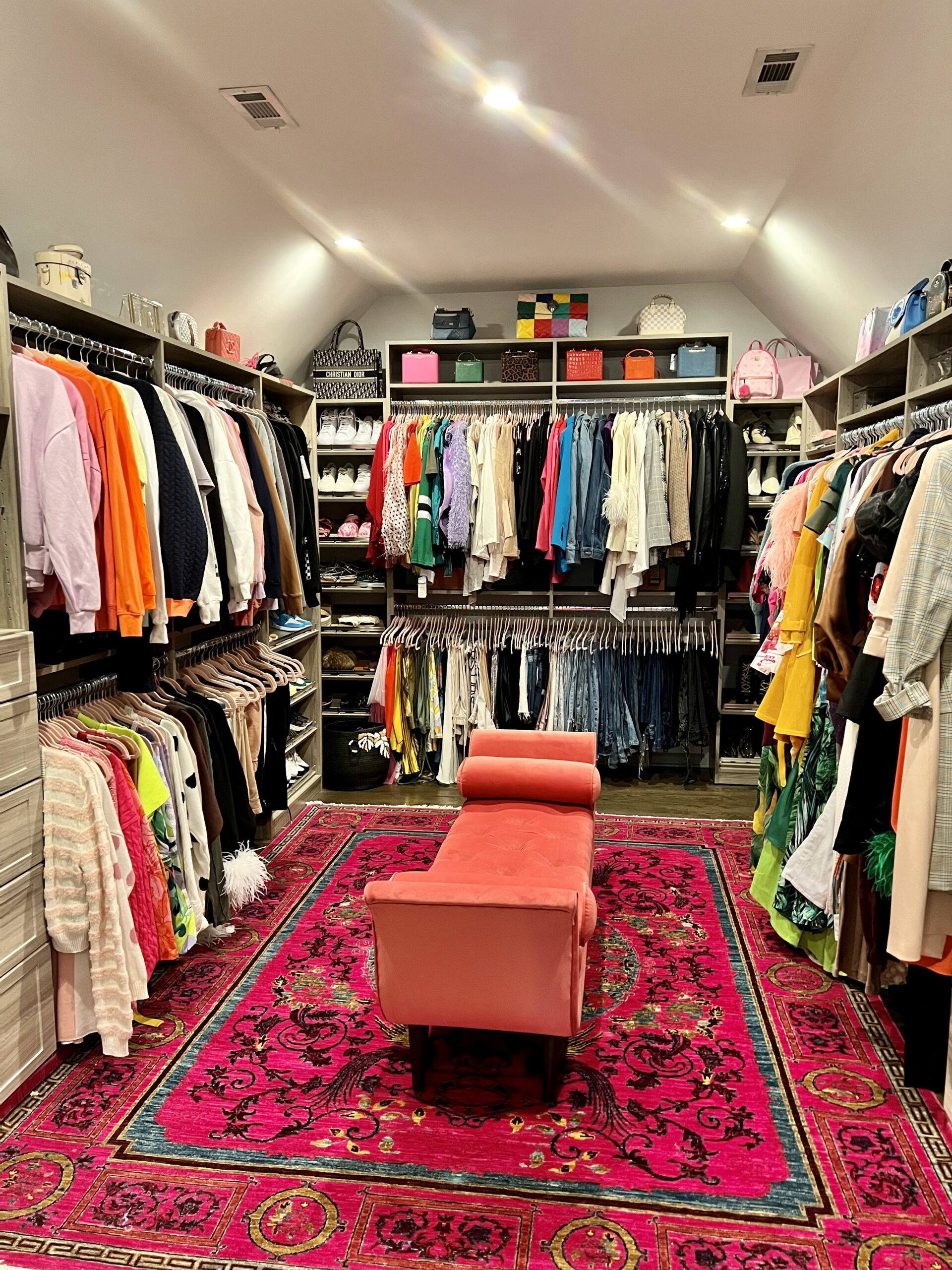
There’s actual research behind this, not just our opinion. The American Psychological Association has written about how visual clutter competes for your attention and quietly raises stress, even when you’ve stopped consciously noticing the mess. So a closet that’s been “off” for a year isn’t just an inconvenience — it’s a small, steady tax on your mornings that most people don’t even clock as the source of the stress.
The Actual Process, Step by Step
First, everything comes out of the closet — no exceptions, no “we’ll just work around this pile.” Second, we sort together, fast and judgment-free: keep, donate, toss. Third, we map the space around how you actually get dressed, not a showroom photo. Only at the very end do bins and organizers enter the picture, chosen for the exact things that are staying.
Housing stock is predominantly 1970s–90s traditional single-family homes.
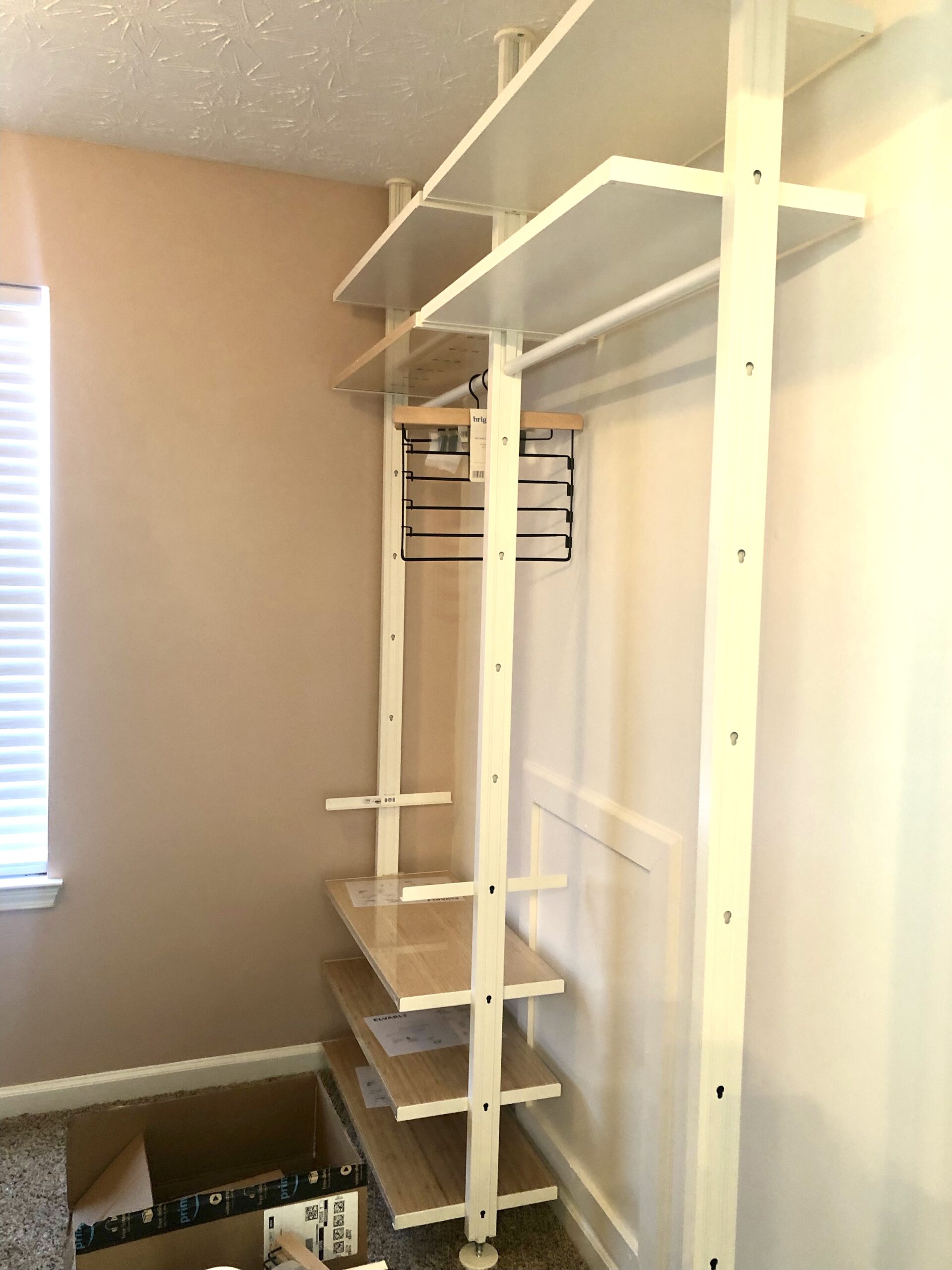
“Here’s the thing,” we tell almost every Riverdale client at some point during the first visit — “you don’t need less stuff nearly as often as you need a better plan for the stuff you’re keeping.”
The Part That Actually Makes It Stick
But here’s what surprises people most about this whole process: the sorting isn’t actually the hard part. Most folks can tell you pretty quickly what they love and what they don’t. The hard part is the follow-through — building a system simple enough that it survives a Tuesday morning when you’re running late and just need to grab something and go.
Historically working- and middle-class, majority-Black community — dependable, fairly priced, respectful service wins here. That’s exactly the kind of detail that changes how we set up a closet — not a generic template, but one built around how your household actually moves through a morning.
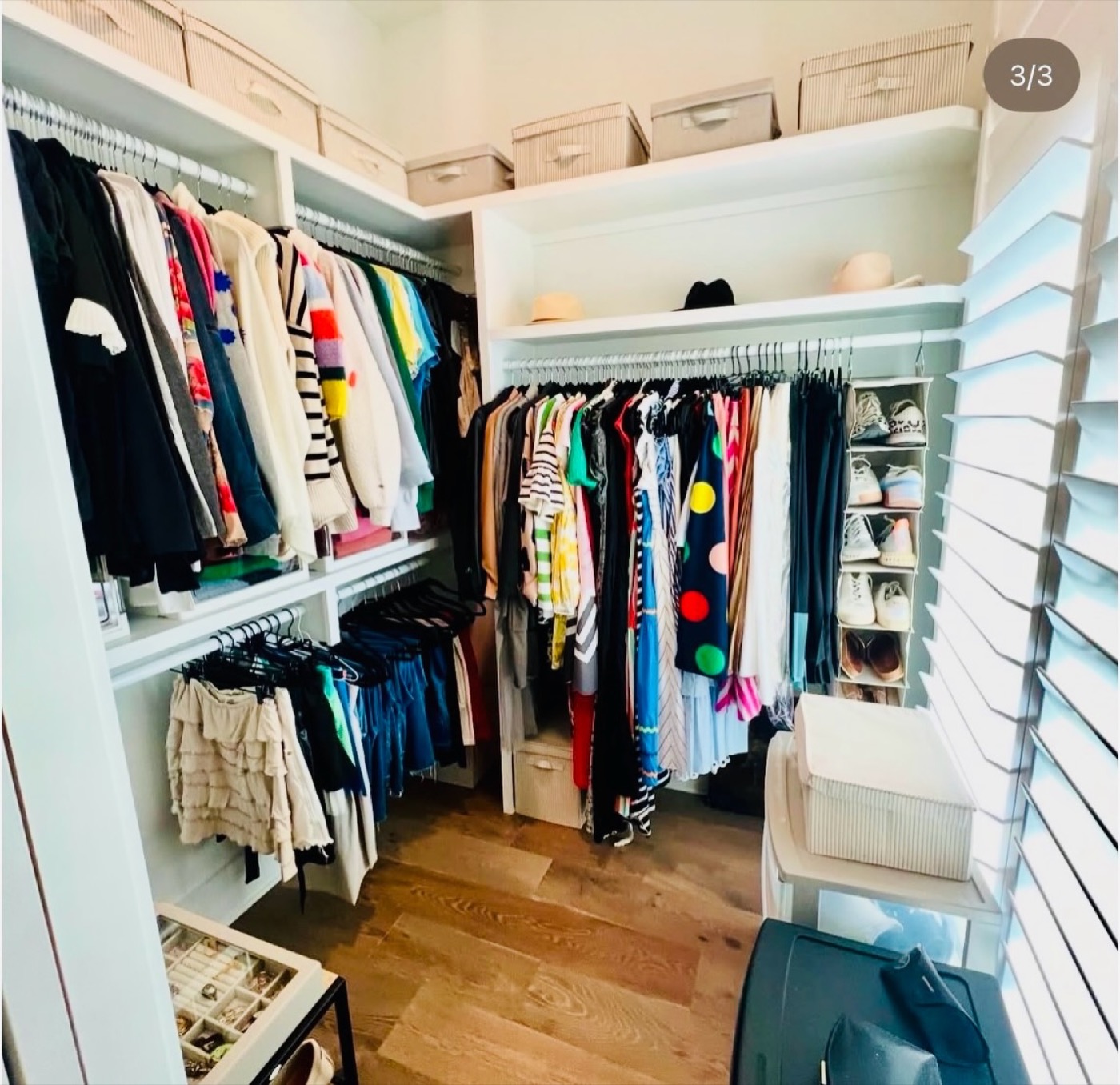
We had a Riverdale client last year — closet so full the door wouldn’t shut, two kids, a dog, and a 6:45am school drop-off she was always five minutes from missing. We didn’t just clean it out. We rebuilt it around that exact morning: uniforms at kid-height, shoes by the door instead of buried in the back, her own stuff sorted by what she actually reaches for on a rushed day versus what she saves for when she has time. She told us later the closet wasn’t really the win — the calmer mornings were.
What Waiting Actually Costs You
We get it — closet organizing can feel like something you’ll “get to eventually,” right after the bigger stuff. But here’s the honest math: every month that closet stays broken is another month of the five-minutes-later-than-you-wanted mornings, the “I know I own this, where IS it” moments, the guilt every time you open the door and see it. None of that shows up on a bill, but it adds up, quietly, the same way the clutter did.
Compare that to the actual fix: a handful of hours, once, and it’s just done. Not done-until-next-month — done. That’s part of why Riverdale clients so often tell us the same thing afterward: they wish they’d called sooner, not because the project was hard, but because they didn’t realize how much lighter the “after” would feel.
What Changes Once It’s Actually Fixed
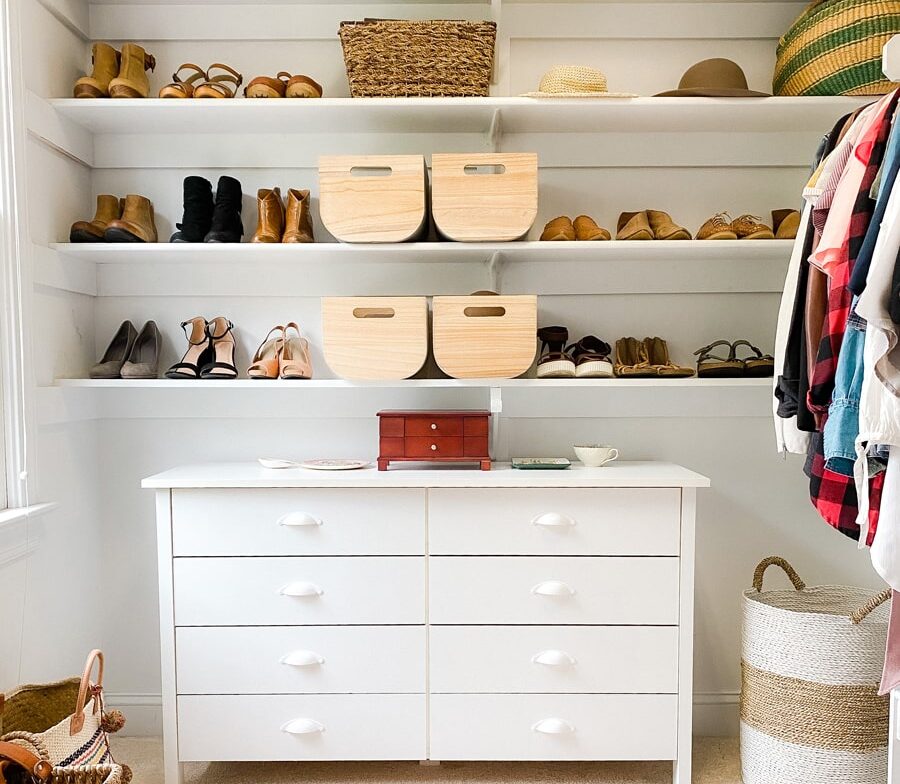
The best sign a closet project worked isn’t how it photographs — it’s how little you think about it afterward. You open the door, grab what you need, and move on with your morning. No searching, no sighing, no mental note to “deal with this eventually.” It just works, quietly, in the background of your life.
There’s a physical side of that too: a door that actually shuts, floor space you’d forgotten you had, a system simple enough that everyone in the house can actually follow it — not just you. That kind of system tends to matter most around no single season — demand stays steady year-round, when everyone’s schedule gets tighter.
And it tends to spread. Once one closet in your Riverdale home proves an organized space can stay that way, the rest of the house starts to feel like it’s within reach too.
Ready to See What Your Riverdale Closet Could Look Like?
If you’re in Riverdale and your closet’s reached the point where you’ve stopped even trying to keep it up, that’s exactly the moment we’re here for. We’re Imagine Organizing — NAPO-GA and NMSDC certified, and we treat every Riverdale home like it’s our own. Get a free consultation or call 404-490-1037, and let’s talk about what your closet could actually look like.
Want to keep reading? Try our guide to why closets overflow so fast, see how the same plan works in Avondale Estates, or learn about our Home Organizing service in Riverdale and everything else we organize.
Frequently Asked Questions
What areas around Riverdale do you serve?
We regularly work throughout Riverdale — including Established 1970s–90s subdivisions, Historic Old Riverdale — plus the surrounding communities and the greater Atlanta metro area.
Do you offer a maintenance visit after the initial project?
Yes — a lot of our Riverdale clients book a quick tune-up a few months later, especially around no single season — demand stays steady year-round, just to reset anything that’s drifted.
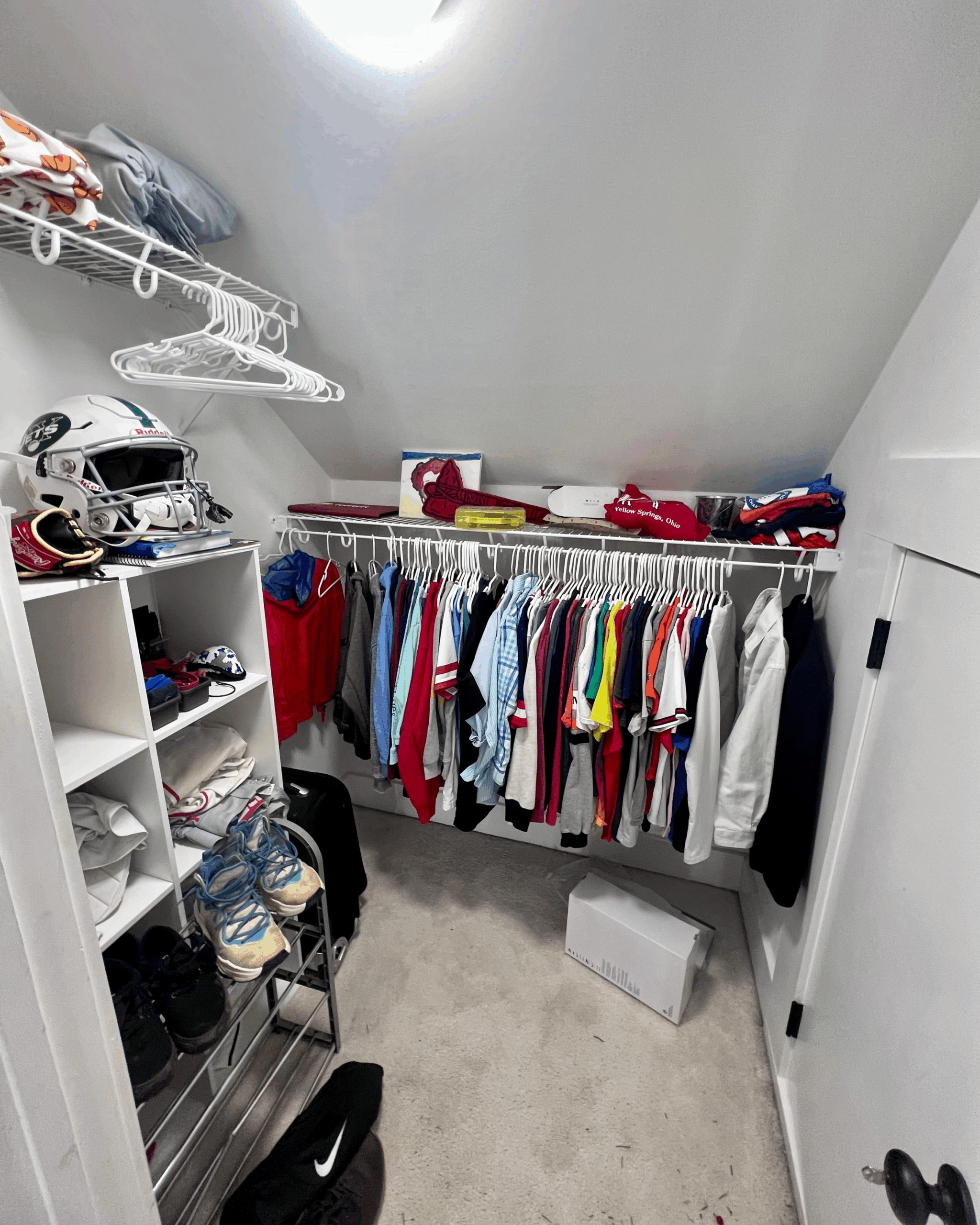
Can you organize a closet with a really awkward layout — sloped ceiling, weird corner, no room to swing a door?
That’s genuinely most of what we do in Riverdale’s older homes. Odd layouts just mean we get more creative with the plan, not that the closet’s a lost cause.
What’s the first step if I want to get started?
A quick call or a free consultation — we’ll talk through your Riverdale closet, figure out roughly what it’ll take, and go from there.
Do you work on closets in apartments and rentals, not just houses?
Absolutely — plenty of our Riverdale clients are in apartments or rentals. The approach is the same; we just work within what’s already installed.
Ready for Closet Organizing in Riverdale?
We’re Imagine Organizing — NAPO-GA and NMSDC certified, serving Riverdale and the greater Atlanta area.
Call 404-490-1037Related: Home Organizing in Riverdale · All Home Organizing services · NAPO national standards